Guide / Image origin
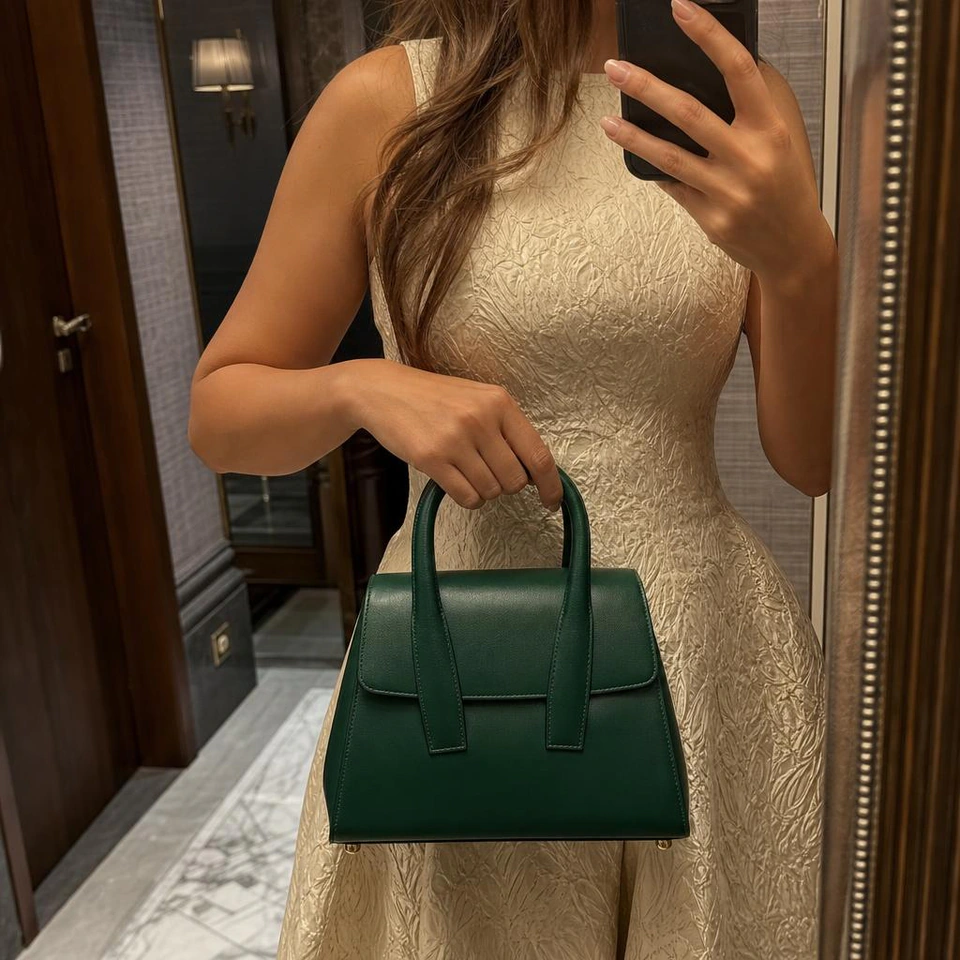
Could this photo be AI-generated?
Some images look completely real. Here’s what to look for.

Look closer
Five places to look
Small inconsistencies can be worth a second look. None of them is proof.


What looking can’t tell you
Visual inspection alone cannot establish where an image came from.
- Clean is not real. Convincing images can have no obvious flaws.
- Odd is not fake. Genuine photos contain blur, warped text and strange reflections.
- No metadata is not proof. Platforms strip it, and content credentials show provenance, not truth. C2PA explainer
Questions people ask
Can I tell by looking?
Not reliably. Generated images can look natural, and real photos can have unusual details. Treat what you see as a lead, not proof.
Does missing metadata mean AI?
No. Apps strip metadata, and screenshots lose original camera information. Missing data is a gap, not a verdict.
Do content credentials prove a picture is true?
No. They can help establish a file’s recorded history and validate signatures, not whether the scene or accompanying claim is true.
Can a detector get it wrong?
Yes, in either direction. Compression and editing can complicate a check. ZUNO reports an inconclusive result when the evidence is not enough.
Not sure what you’re looking at?
Give the image a closer look with ZUNO.